World Heritage Guide: Bangkok Day Trips From Someone Who's Actually Done Them All
We earn a commission when you book through our links on Viator (PID P00299531), at no extra cost to you. This is how we keep the site free.
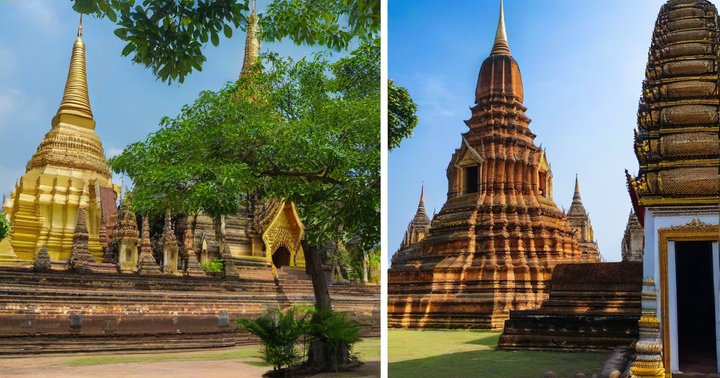
I Didn't Expect Bangkok to Feel Like This
I got to Kanchanaburi War Cemetery at 7am, before the tour buses. The morning light was hitting the gravestones at a low angle, and the place was immaculately maintained — the grass cut to exactly the same height, every headstone aligned. I walked down the rows reading the ages. Eighteen. Nineteen. Twenty-one. Some of them younger than my youngest nephew. The quiet of that cemetery is something I think about often, and it's the reason I tell people to visit it before the bridge, not after. After 9am the tour groups start arriving. The cemetery doesn't become unpleasant, but it does become crowded — people taking photos of each other in front of the headstones, sometimes posing with drinks. I've watched it happen. That's the part nobody warns you about. The cemetery deserves the same attention you'd give any serious historical site. Skip a rushed Kanchanaburi itinerary if it treats the cemetery and the bridge as quick photo stops without time for historical context. The drive from Bangkok to Kanchanaburi takes about 2.5 hours depending on traffic, and most tours do it as a long day — around 14 hours door-to-door. That's a lot of bus time, and it shapes which tours work and which ones don't. The Bangkok full-day private tour to Ayutthaya and the surrounding markets is one I've sent friends on when they specifically wanted a slower pace and air-conditioned transport. What I liked about it was how the itinerary was structured — the order mattered, because the early stops happened in cooler light and the group wasn't already exhausted from a two-hour drive before they got to the first temple. The biggest practical mistake I see with Kanchanaburi tours is people booking the cheapest one and ending up on a 50-person bus with no air conditioning. In April that's genuinely miserable. The window in the Death Railway train barely opens, the bus breaks down sometimes (I've seen it happen twice), and the guide ends up spending the whole day apologizing instead of explaining the history. The 100,000-plus people who died building that railway under Japanese occupation deserve a better setup than that.Bangkok Full-Day Private Tour: Ayutthaya and Market
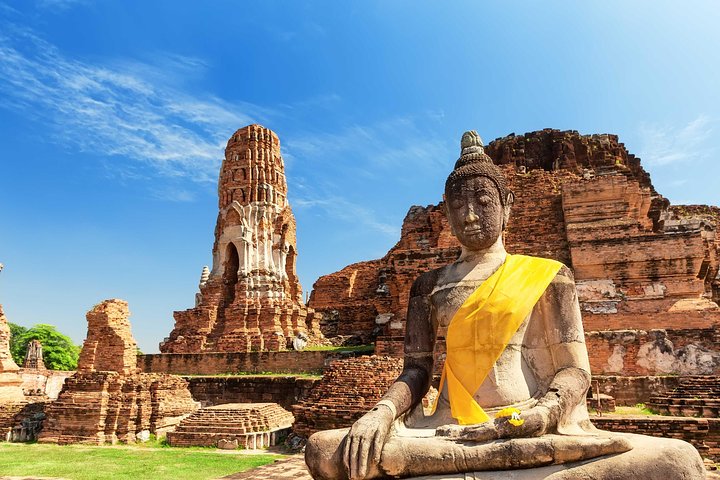
Bangkok Full-Day Private Tour: Ayutthaya and Market
From $30 · Price checked: Aug 2026
A full-day private option that combines the Ayutthaya temples with a local market stop. The advantage here is control over pace — you can linger at Wat Mahathat when the light is right, skip the more crowded stops, and avoid the worst of the midday heat. Worth comparing against group tours if you have a tighter budget but looser timeline.
Check Availability →The Moments That Made Bangkok Day Trips Worth the Trip
Erawan Falls gets talked about like it's a checklist item — go, see seven tiers, leave. But the thing nobody tells you is that tier 7 is a completely different experience from tier 1, and most groups don't allow time to get there. The climb from tier 6 to tier 7 is steep — 30 minutes of limestone steps with a rope handrail. I was the only person up there when I made it. The waterfall at tier 7 is smaller than the lower tiers, but the pool is deep, and the fish came right up and touched my feet, which made me laugh out loud. There's nobody around to take your photo, nobody selling cold drinks, no commentary. Just you and the water. That's the moment the day trips are actually for. Not the selfie at tier 3. The thing is, most Erawan tours allow only about two hours, which is generally enough for tiers 1–4 but not for the full climb. According to the Department of National Parks, Wildlife and Plant Conservation, Erawan National Park contains the tiered falls themselves and charges a small entry fee. The park itself is real forest — you can hear gibbons if you're quiet, and the trail is well-maintained until tier 6. Skip the tier 7 climb if steep limestone steps, a rope handrail, or roughly 30 minutes of climbing beyond tier 6 is unsuitable for your mobility or fitness. I've watched people turn back at tier 5 because the steps got slippery, and there's no shame in it. Tiers 1–4 are genuinely lovely on their own. The lesson for me was about itinerary duration. A tour that promises "Erawan Falls" in four hours is selling you a photo stop, not an experience. If the falls are why you're going, you need at least five hours in the park, ideally six. I learned this the hard way on my second trip.Kanchanaburi and Erawan Falls Full-Day Tour
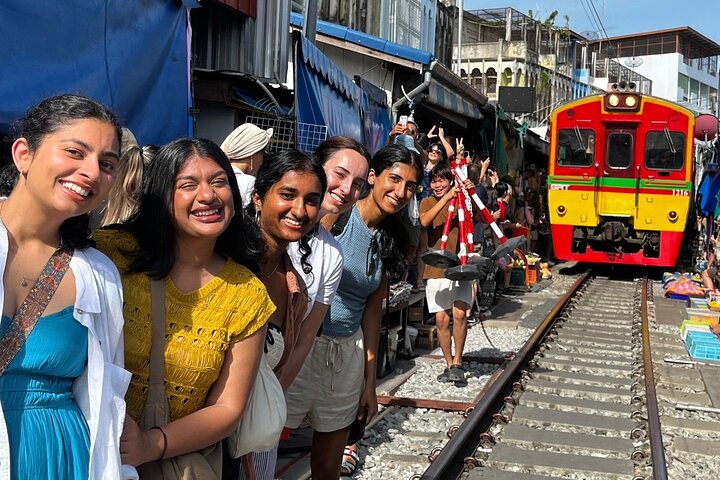
Kanchanaburi and Erawan Falls Full-Day Tour
From THB 3,912 · Price checked: Aug 2026
A combined Kanchanaburi and Erawan itinerary that tries to pack a lot into one day. The honest tradeoff here is that you'll get roughly 2 hours at Erawan (enough for tiers 1–4 but not tier 7) and around 90 minutes at the bridge. Compare the actual stop duration against your priorities before booking — if either site is the main reason you're going, this might not give it the time it deserves.
Check Availability →What Really Surprised Me About Bangkok
Maeklong Railway Market is the one that broke my brain a little. I was standing on the platform, not the tracks, because the vendors had already yelled at two tourists for being on the rails. The train came through at walking speed, so close I could have touched it — and in front of me, the awnings and the baskets retracted in this accordion-like motion, the whole market folding itself back into a space barely wider than the train. Then the train passed. Thirty seconds later the market was back, the awnings out, the produce restacked, like nothing had happened. I stood there laughing. What surprised me wasn't the gimmick. It was how functional it is. This is a real market where local people buy their vegetables, and the train schedule is built around the vendors, not the other way around. Tour groups show up at specific times to match the train, and the market has adapted to that too — there are now vendors selling tourist snacks near the platform, but the actual produce stalls are still doing normal trade. According to the Tourism Authority of Thailand, Maeklong is in Samut Songkhram province and has been operating as a railway market since the early 1900s, though the train-passing-through-market phenomenon became famous much more recently. Skip Maeklong if close quarters, sharp crowd movement, and standing near a slowly passing train would be stressful. It's loud, it's crowded, and the train really does come within a foot of you. People with mobility issues or claustrophobia sometimes find the platform cramped. If you go, stand back from the edge — the vendors will tell you where to stand, and they mean it. What I also didn't expect was how the day trips layer. Bangkok sits in the middle of so much — Ayutthaya to the north, Kanchanaburi to the west, Maeklong and Amphawa to the south — that you can do a completely different trip every weekend for a year and not repeat yourself. The mistake is treating them as interchangeable. They're not. A good Ayutthaya day is nothing like a good Kanchanaburi day, and a Kanchanaburi day is nothing like a good floating-market afternoon.Niran Chantra's Insider Tips for Getting It Right
I showed up at Amphawa floating market on a Wednesday at lunchtime once. Nothing. No boats, no food stalls, no tourists. The canal was empty except for a single longtail boat tied up. A shopkeeper saw me looking confused and just shook her head. I had ignored the Friday-Sunday opening schedule that every guidebook mentions, and I paid for it with a wasted taxi ride from Bangkok. Amphawa is closed Monday through Thursday, not merely quieter. Skip Amphawa entirely if your only available visit falls Monday through Thursday — the experience shows it can be fully closed rather than simply quiet. Here are the timing mistakes I've learned from: - Damnoen Saduak: Get there by 7:30am and leave by 9am. After 9:30 the boat traffic becomes a logjam, the vendors get louder, and the photo opportunities become about the crowd rather than the canal. Yes, it's touristy. The boats are tourist boats and the vendors are selling tourist things. But the boats navigating the narrow canals, the wooden paddlers working the whole time, the sheer density of commerce on the water — it's genuinely unlike anything you've seen. Just don't stay past 10am. - Amphawa: Friday evening through Sunday only. The firefly boat tours after dark on Friday and Saturday are the real thing — local families eating seafood by the canal, then taking longtail boats out to see the fireflies in the mangrove trees. Timing IS the experience here. - Ayutthaya: Weekdays. Weekends bring Bangkok domestic tourists and everything's packed, especially Wat Mahathat. The Tourism Authority of Thailand confirms Ayutthaya Historical Park is a UNESCO World Heritage site, and it draws both Thai and international visitors year-round. - Kanchanaburi: Take the 6:40am train if you can — it's the early one, less crowded, and you get the bridge section in good light. The Death Railway train from Kanchanaburi to Nam Tok is a real working train that local commuters use. The bridge section through the mountains is genuinely scenic. The "Death Railway" name comes from the 100,000+ people who died building it under Japanese occupation. You can enjoy the scenery and know what you're looking at. - Maeklong Railway Market: Match your visit to the train schedule, which is posted at the station and online. Arrive 20 minutes before the train passes, not after. For more on costs across these trips, see my world heritage costs breakdown, and for weather timing across the year, the seasons guide is the most useful thing I've written.What I Wish I'd Known Before I Went
The handlebars were too hot to touch without gloves. Between Wat Mahathat and Wat Phra Si Sanphet, I stopped at a 7-Eleven and drank two bottles of water standing in the air conditioning. The guide handed out cold towels at every stop and I still came back dehydrated. I did the Ayutthaya day trip in April — 38°C and no shade between temples. According to the Thai Meteorological Department, March through May can reach 35–40°C across central Thailand, and central Thailand is exactly where Ayutthaya sits. The November through February window is what I recommend now. Temperatures drop to 25–30°C, the light is better for photos, and the temples are walkable. Skip an Ayutthaya cycling tour from March through May if you are not prepared for potentially dangerous 35–40°C heat — the open air of a bicycle means you're not just enduring the temperature, you're cooking in it. Wat Mahathat is the one with the Buddha head entwined in tree roots — it's iconic, it's also the most photographed spot in Ayutthaya, and the crowd reflects that. Go early morning (7–8am) or accept that you'll be sharing the frame. The head is smaller than people expect, by the way. The tree has grown around it over centuries, and you have to look carefully to see the face among the roots. According to the Tourism Authority of Thailand, Ayutthaya was the capital of Siam from 1350 to 1767 and was destroyed by the Burmese army. The ruins you're walking through aren't decorative — they're the remains of one of the largest cities in the world in the 17th century. The site is also a UNESCO World Heritage listing, which protects it from development but doesn't protect you from the tour buses.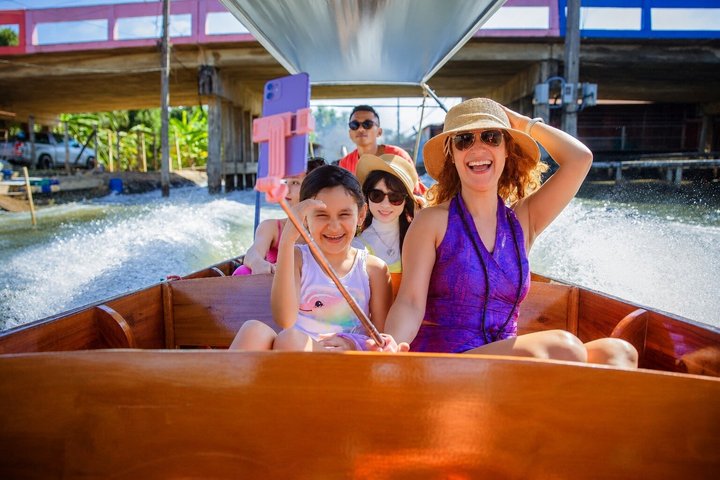
Ayutthaya Day Trip from Bangkok with Hotel Pickup
From THB 1,280 · Price checked: Aug 2026
A standard Ayutthaya day-trip option that includes hotel pickup and the main temple stops. Worth comparing on these points: transport comfort (air-conditioned minivan vs bus), group size (anything over 20 gets unwieldy), hotel-pickup boundaries (some operators only pick up in central Bangkok), and the actual time at each temple rather than just the count of temples visited. If you're going in March through May, prioritise air conditioning above everything else.
Check Availability →Explore More
Related comparisons and guides:
Frequently Asked Questions
How long does it take to drive from Bangkok to Ayutthaya?
About 80–90 minutes by car or minivan, depending on Bangkok traffic. Tours typically allow 1.5–2 hours each way. Leave before 7am to beat both the traffic and the tour buses arriving at the temples.
What's the best month to visit Ayutthaya?
November through February, when temperatures are 25–30°C and the dry season makes the temples walkable. March through May is brutally hot at 35–40°C — cycling tours in those months can be dangerous. June through October is monsoon season, with afternoon rain most days but morning tours still viable and lower prices.
Is Amphawa floating market open every day?
No. Amphawa operates Friday evenings through Sunday only. Monday through Thursday the market is essentially closed — the canal-side stalls don't open, the boat vendors don't come out, and you'll find an empty canal. Don't make the 90-minute trip from Bangkok on a Wednesday expecting a quiet version of the weekend market.
Can you do Kanchanaburi and Erawan Falls in one day?
Yes, but with tradeoffs. The drive from Bangkok is about 2.5 hours each way, and most combined tours allow only 2 hours at Erawan (enough for tiers 1–4, not tier 7) and about 90 minutes at the Death Railway bridge. If either site is your main reason for going, choose a tour that focuses on just that destination.
Should I book the cheapest Ayutthaya tour?
Not necessarily. The cheapest group tours often mean 40–50 people on a non-air-conditioned bus, which in April is genuinely miserable. The better question is whether the tour includes hotel pickup from your area, air conditioning, group size under 15, and adequate time at each temple — not just the lowest advertised price.
Is the Death Railway train ride worth it?
The scenery through the mountains is genuinely good, and the train is a real working service that local commuters use. The name comes from the 100,000+ people who died building it under Japanese occupation in WWII. Most riders do the short bridge section rather than the full journey to Nam Tok — the bridge section gives you the views and the historical context without committing to a full day on the rails.