Chiang Mai Day Trip Guide: Temples, Elephants, and Doi Inthanon
We earn a commission when you book through our links on Viator (PID P00299531), at no extra cost to you. This is how we keep the site free.
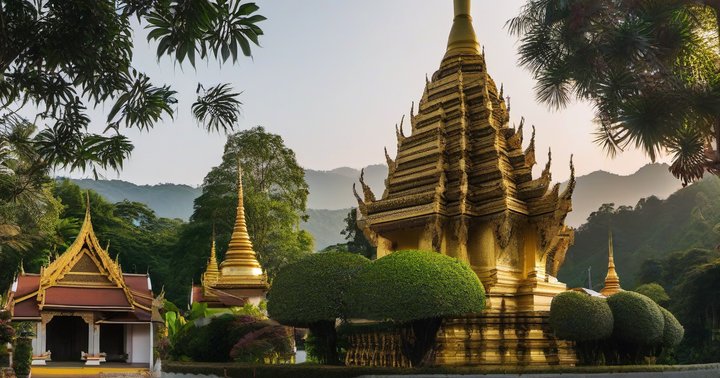
I flew up to Chiang Mai for three days last November and crammed in more day trips than I should have. What follows is the honest comparison of the three that mattered most — the elephant sanctuary visit, the Doi Inthanon summit run, and the Chiang Rai White Temple day — and the one I wish I'd skipped. Cool season (November to February) is the right time to do all of this, but it changes the math at every site. According to the Tourism Authority of Thailand, November through February is the dry, cooler window across northern Thailand, which is why flights and guides book out weeks ahead — factor that in before you commit.
I Did Both the Elephant Sanctuary and Doi Inthanon Tours. Here's What Nobody Tells You
The single most surprising difference between the elephant sanctuary tour and the Doi Inthanon tour isn't the scenery — it's the pickup window. The Doi Inthanon day starts at 7:30am from your Chiang Mai hotel. The ethical elephant sanctuary tours start at 6:30am or 7:00am, which sounds like nothing, but it means an earlier alarm and a colder van ride up into the Mae Rim valley before the morning fog lifts. If you're not a morning person, that's the entire decision made for you. Both runs are roughly a 1.5 to 2 hour drive each way, which is why they take a full day even when the actual "doing" is only three or four hours.
Skip this comparison if you've already booked one of them — jump to What I Wish I'd Known for the practical prep.
Doi Inthanon National Park Full-Day Trip from Chiang Mai
The Doi Inthanon day trip is what most Bangkok-based travelers do first, and the one I keep coming back to. You summit Thailand's highest peak at 2,565 meters, walk the short nature trail through mossy cloud forest, and visit the twin pagodas (Naphamethanidon and Naphaphonphumisiri) built for the King and Queen. The summit temperature can drop to 5-10°C even in hot season — I needed a fleece in April when Chiang Mai was 38°C down in the valley. In cool season it's colder. Bring layers.
What the tour actually includes: hotel pickup, national park entry, lunch at a Hmong village, and stops at a Karen hill tribe village, a waterfall (Mae Klang or Wachirathan, depending on the route), and the two chedis. The standard group size I saw was 10-15 people. If you want the chedis and summit without the hill-tribe stops, ask the operator to customize — most will, for a small surcharge.
This is the day trip I book through the standard Doi Inthanon full-day tour when friends visit and want the "Thailand's highest peak" box ticked. It's the right product for that job. But the hill-tribe village stop can feel staged — the Hmong lunch was good, the Karen weaving demo was rushed. Skip this if you want a more active mountain day, because the standard tour is more driving and looking than walking.
Why the Ethical Elephant Sanctuary Tour Nearly Won Me Over
The ethical elephant sanctuary tour is the one that nearly took the whole trip for me. I did an observation-only elephant experience in the Mae Rim area, and the genuine advantage is this: you actually spend time with the elephants, not in a van. Two to three hours on the ground — walking them to the river, watching them bathe, feeding them bananas — versus maybe 30 minutes of meaningful time at the chedis. If you've never been close to elephants, that asymmetry matters more than the cooler temperature or the chedi photo op.
The tradeoff is everything else. The sanctuary doesn't have a "summit moment." There's no viewpoint, no iconic shot, no 2,565-meter altitude tick. You come back with mud on your shoes and a camera roll of elephant trunks, not a mountain. And the sanctuaries are spread across 4-5 operators within 30 minutes of each other, so the quality varies wildly. Check for "observation-only" or "no riding" in the description before you book — that's the line between ethical and not.
Skip this option if you have mobility issues, because the river walk involves uneven ground and you will get wet. Also skip if you're only in Chiang Mai for two days — Doi Inthanon is more "Thailand" per hour invested.
The Moment I Made My Decision
Standing at the Doi Inthanon summit at noon, watching a thick band of cloud roll over the twin chedis and obscure the valley below, was the moment I knew. The elephant sanctuary tour had been the day before, and I was already forgetting details. The mountain stayed with me. Not because the elephants weren't wonderful — they were — but because the summit is something you can't get anywhere else in Thailand, and the chedis in the mist are the kind of image you actually use later. The elephant encounter is the more emotional day, the mountain is the more memorable one. I optimized for memory over emotion, and that's the honest reason Doi Inthanon earned the headline slot.
If you want the third option, the Chiang Rai day trip is the alternative that clarified this decision for me. The Chiang Rai White Temple (Wat Rong Khun) day is a 12-hour commitment with three hours of driving each way and a brief 30-45 minute stop at the temple. It suits travelers who care more about the architecture and the Instagram shot than the day itself. It doesn't suit anyone who wants a relaxed pace or has back issues from long drives. I do not think it competes head-to-head with either Doi Inthanon or the elephant sanctuary on a one-day-only basis.
Skip if your priorities differ from mine — I optimized for time at the sites over comfort, and I say so.
What I Wish I'd Known Before I Went
The single biggest mistake I see other travelers make is showing up in March or April and wondering why the mountain isn't visible. Burning season runs February through April in northern Thailand — farmers burn their fields, the smoke gets trapped in the valleys, and according to the Thai Meteorological Department, particulate levels during this window can drop visibility to near-zero at the Doi Inthanon summit. Some days you drive up two hours and see nothing but haze. The cool season (November to February) is when the air is clear and the summit views are reliable. Don't book this trip for March or April unless you've checked the air quality reports that morning.
What to actually bring: a fleece or light jacket (summit is cold even when the valley is 30°C), sturdy shoes for the nature trail and the wet river walk at elephant sanctuaries, a rain jacket if you're going between June and October, sunscreen, and a refillable water bottle. The national park entry fee for Doi Inthanon is per the Department of National Parks — confirm the current rate on the official site before you go, because the foreign-visitor rate has changed in recent years and tour operators don't always update their listings the same week.
Pickup logistics that catch first-timers off guard: most Chiang Mai day trip pickups are from hotels inside the old city moat or within a 5km radius. If you're staying in Hang Dong, Mae Rim, or out toward Doi Suthep, expect a surcharge or a separate meeting point. Confirm the pickup window the night before — drivers sometimes consolidate and your 7:30am pickup becomes 8:15am. Pack breakfast the night before.
Skip if you're a repeat Chiang Mai visitor who already knows the pickup and park-fee routine — this section is for first-timers.
Getting There From Bangkok
Chiang Mai is 700km north of Bangkok. You have three real options: fly (1 hour, multiple daily flights on Air Asia, Nok Air, Thai Vietjet, and Thai Airways — book 2-3 weeks ahead in cool season for reasonable prices), overnight train (12-14 hours, sleeper cars available, the slow romantic option), or private car (8-9 hours, only worth it if you're stopping in Ayutthaya or Lopburi on the way). I fly. The train is a fun experience once, but it eats a full night and you arrive tired enough to skip the day trip you came for. If you're already in Bangkok and considering day trips from the capital first, my Bangkok day tours guide covers the southern options, and the DIY transport guide walks through the alternatives if you'd rather skip the tour van.
When to Go and When to Stay Home
November through February is the clear answer. Cool, dry, clear skies at the summit, low humidity, comfortable for the elephant walks. Book at least 3 weeks ahead for Doi Inthanon tours in December and January — the standard group vans fill up. March through May is the burning season gamble: the air might be fine, or you might drive two hours into white haze. June through October is monsoon — the waterfalls on Doi Inthanon are at their fullest, the rice terraces are green, and the deals are better, but afternoon rain can cut short the summit visit. If you're a flexible traveler, June is the secret sweet spot — fewer crowds, lower prices, and the mountain is still visible most mornings before the clouds build.
The Verdict
Book the Doi Inthanon day trip. It is the day trip that uses Chiang Mai's geography best and gives you something you cannot get anywhere else in Thailand. Add the elephant sanctuary as a separate day if you have two full days, and do the elephants first while your legs are fresh and your camera is empty. Skip the Chiang Rai day trip unless the White Temple is genuinely the only thing drawing you north — three hours of driving for 45 minutes of temple is a poor ratio, and the standard tour packs you through the Blue Temple and Black House in a way that makes all three feel rushed. Doi Inthanon and the elephant sanctuary are the two that earn their day. The rest is just driving.
Explore More
Related comparisons and guides:
- Chiang Mai Ethical Elephant Sanctuaries: Which Day Trip Actually Treats Eleph...
- Chiang Mai Seasons — A Complete Guide From a Bangkok Resident Who's Done Ever...
- Chiang Mai Transport Guide: How to Get Around for Day Trips Without Losing a Day
- Chiang Mai Costs — A Complete Guide for Bangkok Travelers
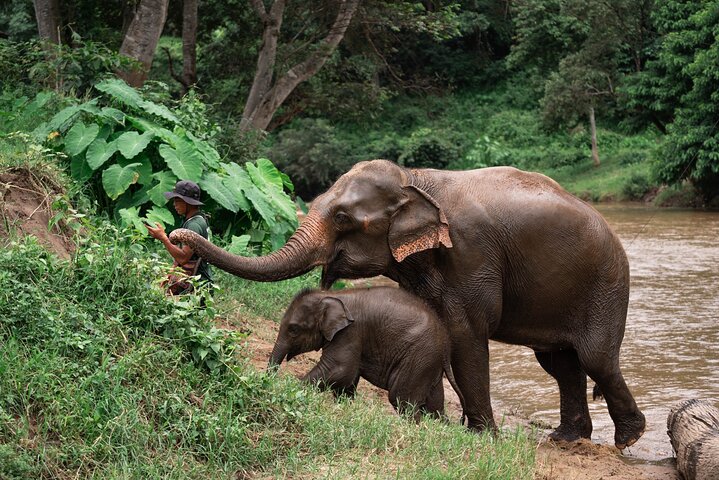
Doi Inthanon National Park Full-Day Trip from Chiang Mai
From THB 1,800 · Price checked: Aug 2026
The standard summit-and-chedis day trip. Reliable, well-organized, and the only way to see Thailand's highest peak without renting a car. The hill-tribe lunch is a nice touch, even if the weaving demo feels rushed. My pick for first-timers.
Check Availability →
Ethical Elephant Sanctuary Tour from Chiang Mai
From THB 1,390 · Price checked: Aug 2026
Observation-only elephant experience in the Mae Rim area. The one I nearly picked over the mountain. Worth doing as a separate day if you have the time, less so as a replacement for Doi Inthanon. Confirm "no riding" in the description before booking.
Check Availability →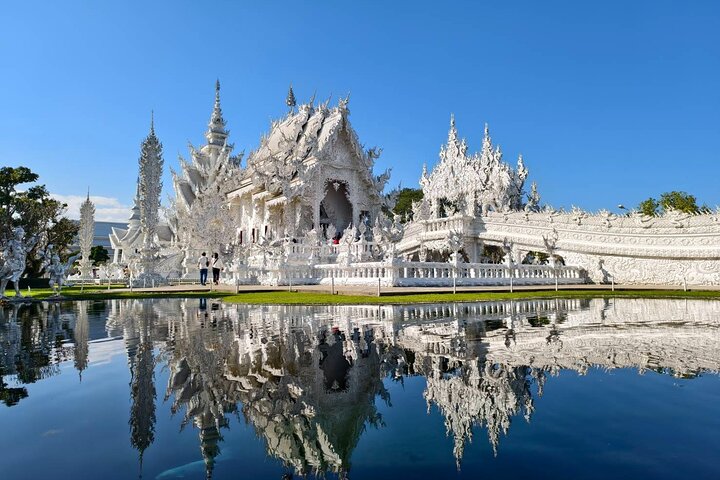
Chiang Rai White Temple (Wat Rong Khun) Day Trip from Chiang Mai
From THB 1,323.53 · Price checked: Aug 2026
The long-drive alternative. 12-hour day, 6 hours of driving, 45 minutes at the White Temple plus rushed Blue Temple and Black House stops. Suits travelers who care more about the architecture than the pace. Not my pick, but it has its audience.
Check Availability →Frequently Asked Questions
When is the best time to visit Doi Inthanon?
November through February is the dry, cool season with the clearest summit views. March through April is burning season and visibility can be near-zero. June through October is monsoon with afternoon clouds but fuller waterfalls and lower prices.
How cold does it get at the Doi Inthanon summit?
The summit at 2,565 meters can drop to 5-10°C even when Chiang Mai city is 35-40°C in hot season. In cool season (November to February), expect 10-18°C at the summit during the day and colder in the morning. Bring a fleece year-round.
How do I know if an elephant sanctuary is ethical?
Look for "observation-only," "no riding," and "no chains" in the tour description. Reputable sanctuaries let you feed and walk alongside the elephants but never ride them. Avoid any operator that offers elephant riding, painting shows, or circus-style performances.
Is the Chiang Rai White Temple day trip worth it?
Only if the White Temple is genuinely your priority. It's a 12-hour day with 6 hours of driving and roughly 45 minutes at the temple. The Blue Temple and Black House are also included but feel rushed. For most travelers, Doi Inthanon or an elephant sanctuary uses a day better.
Should I fly or take the train from Bangkok to Chiang Mai?
Fly. The flight is 1 hour and costs roughly the same as a first-class train sleeper once you add the overnight hotel you'd otherwise need. The 12-14 hour train is a fun experience once but eats a full night and you'll arrive tired enough to skip the day trip you came for.
What should I bring on a Chiang Mai day trip?
A fleece or light jacket, sturdy shoes, sunscreen, a refillable water bottle, and a rain jacket if you're traveling June through October. Pack breakfast the night before in case the pickup runs late. Confirm the foreign-visitor national park fee with the Department of National Parks before you go — operators don't always update their listings immediately when rates change.